

The rich history of Bosch
One thing that time does not change: our aspiration to keep getting better.
By your side since 1886
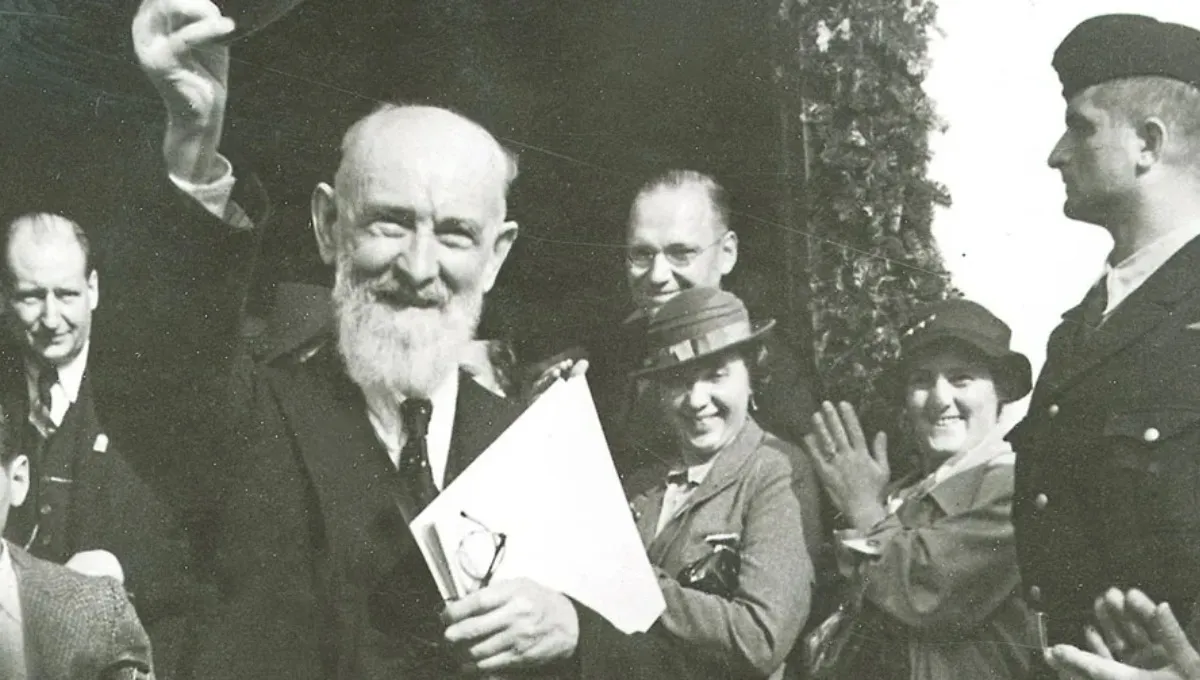
Our story began in 1886 when Robert Bosch, our one-of-a-kind founder, opened a small Workshop for Precision Mechanics and Electrical Engineering in Stuttgart with just two associates.
As an industrialist, democrat and visionary, he cared deeply about balancing economic success with social responsibility, and set standards that shaped the company long after his lifetime.
He held one principle above all: honest workmanship matters more than short-term gain. That same belief carried through the last century into every home appliance we make today, built to the standard he set and upheld for over 140 years.
Where it all started
Building the future of home appliances
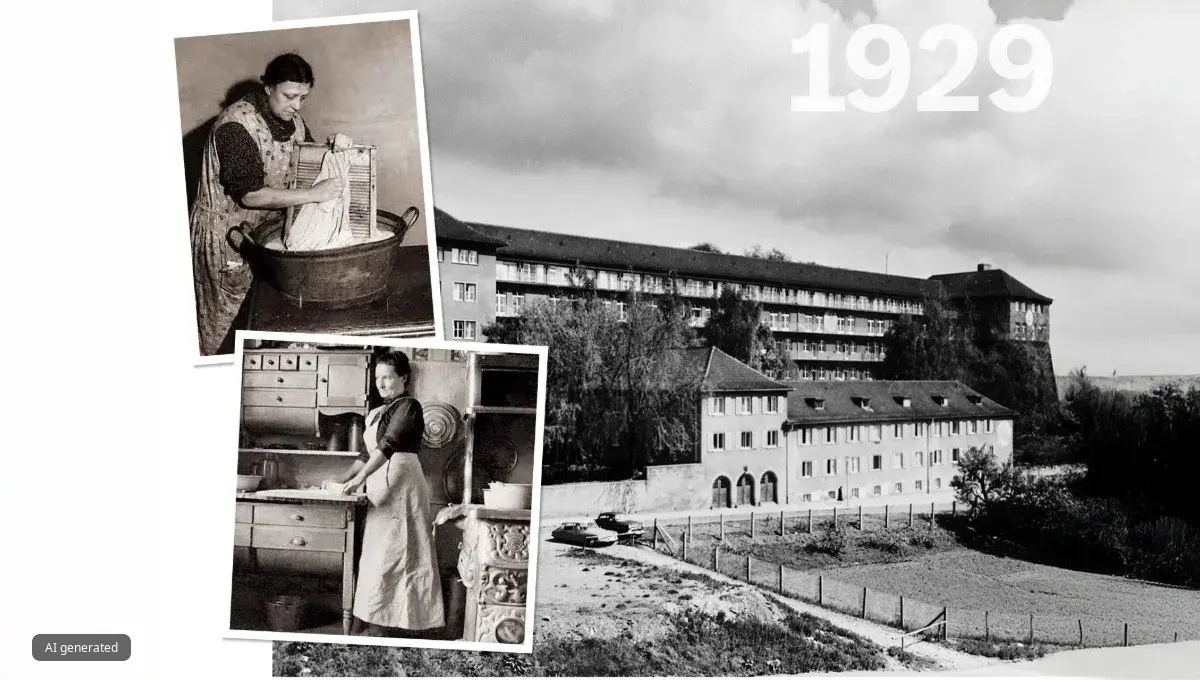
By 1929, Bosch already had more than 10,000 employees and operated worldwide. In response to the Great Depression, Robert Bosch stayed true to his belief that a company must serve society, and looked for new ways to reach everyday people.
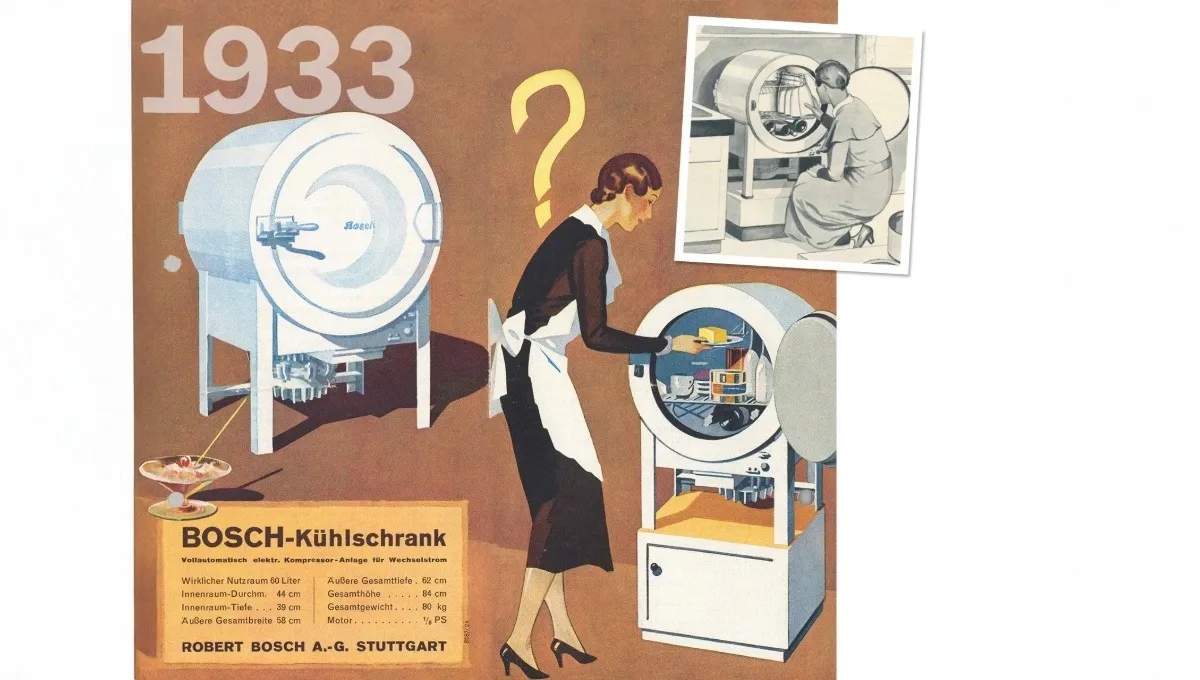
That thinking brought Bosch into affordable home appliances in 1933, bringing our refrigerators into everyday kitchens.
Although the Second World War soon shifted industrial priorities toward military production, Bosch's early investment in household appliances laid the foundation for a business that would flourish in the post-war decades.
From manual to automatic
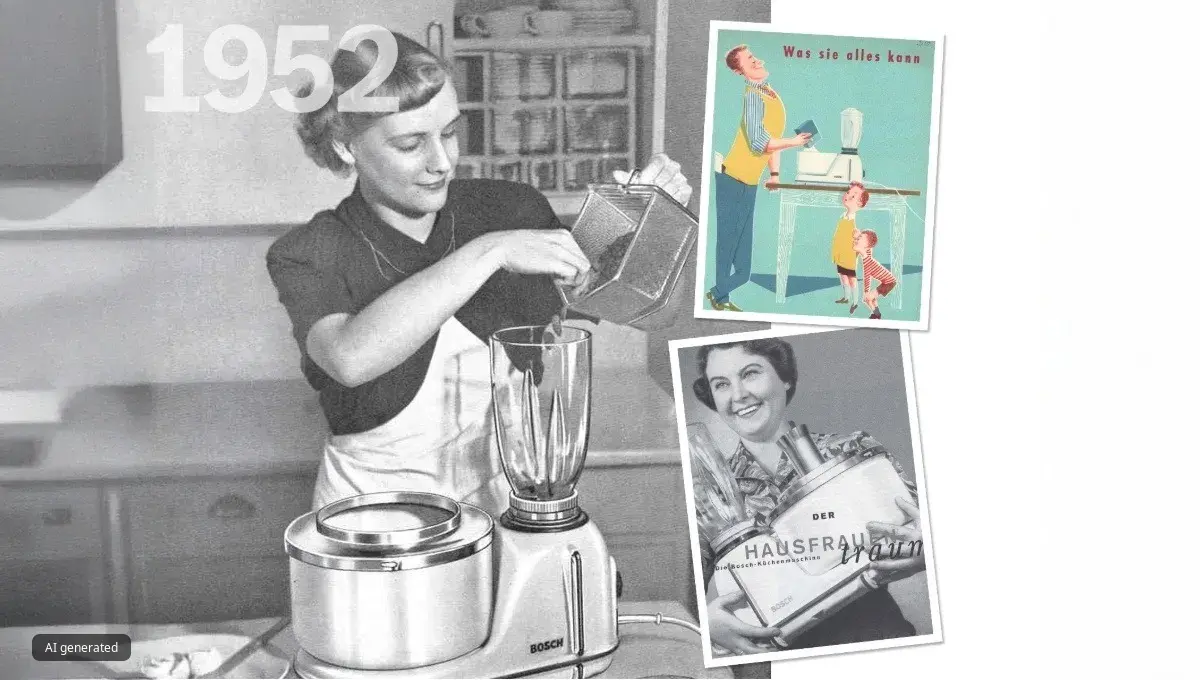
The 1950s brought electrical appliances into modern kitchens. Our first kitchen machine, the 'Neuzeit I', could stir, knead, chop, shred, purée, grind and grate, taking the heaviest lifting out of cooking and baking.
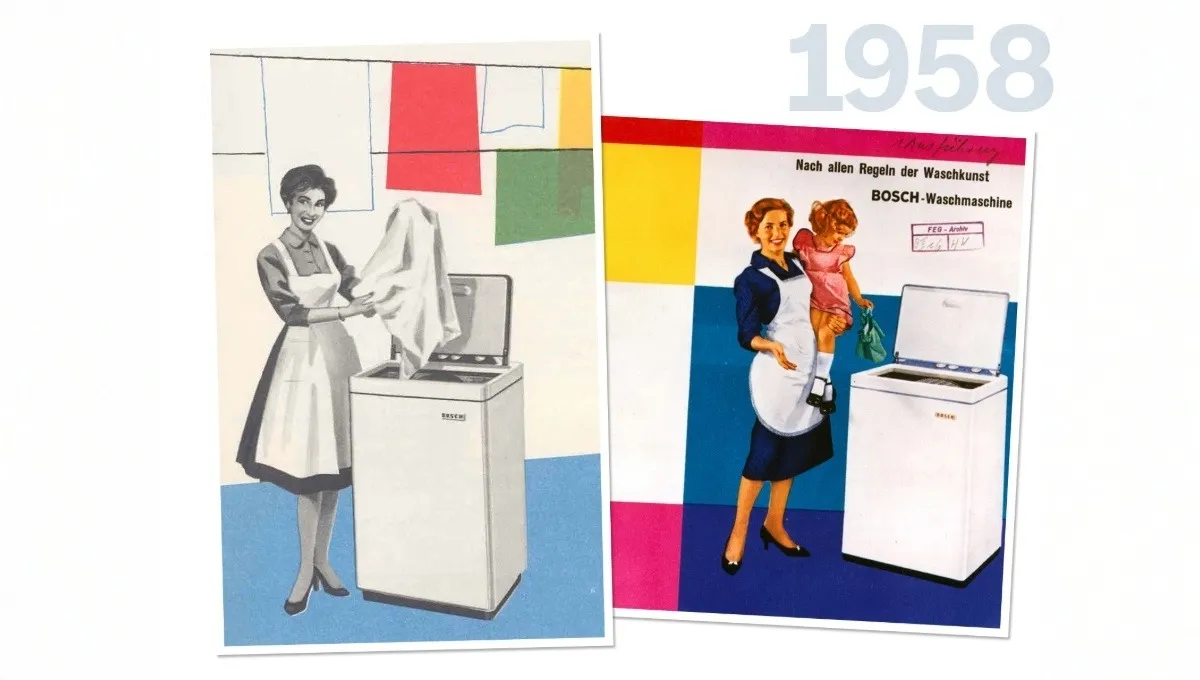
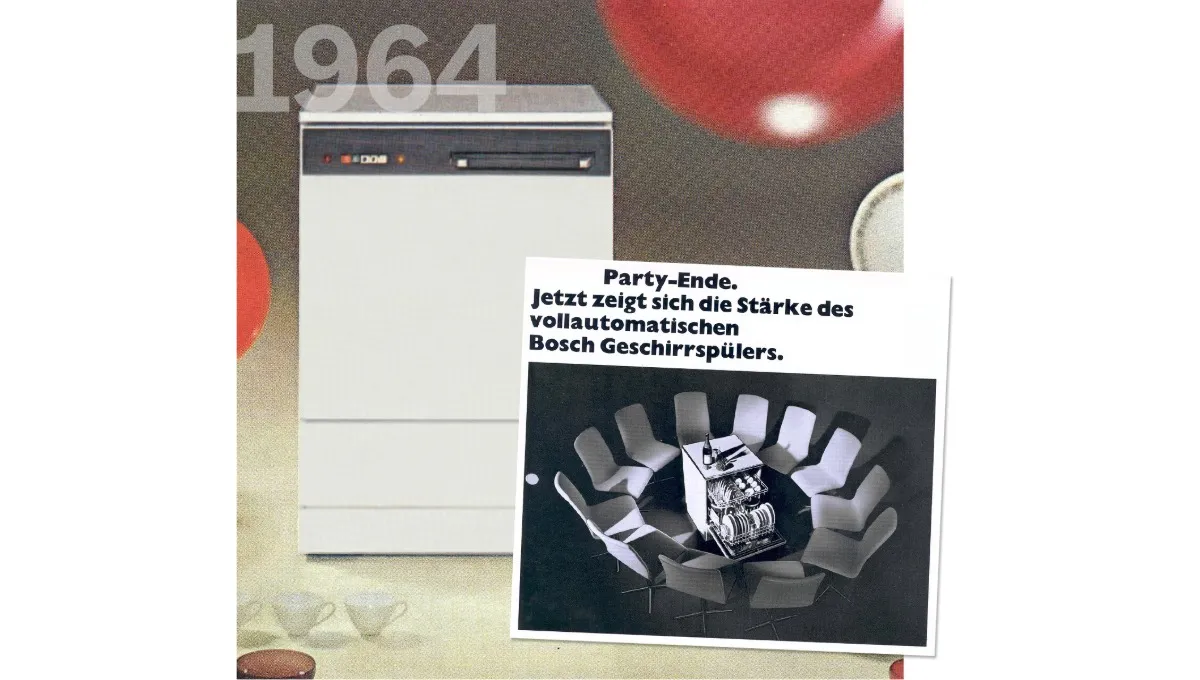
Not much later, the first Bosch washing machine went into production, and laundry day stopped taking the whole day. By the 1960s, roles at home were changing and more women were going out to work. The first Bosch dishwasher ended the era of washing up by hand, saving time, water and effort in one step.
Small appliances. Big impact
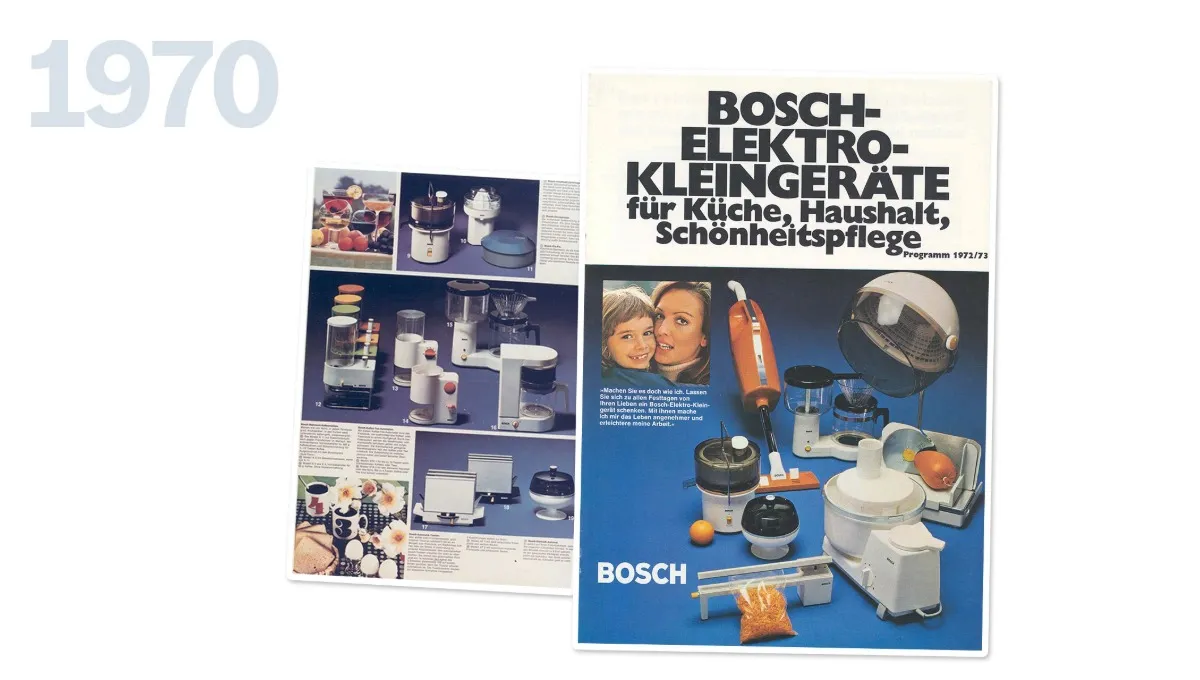
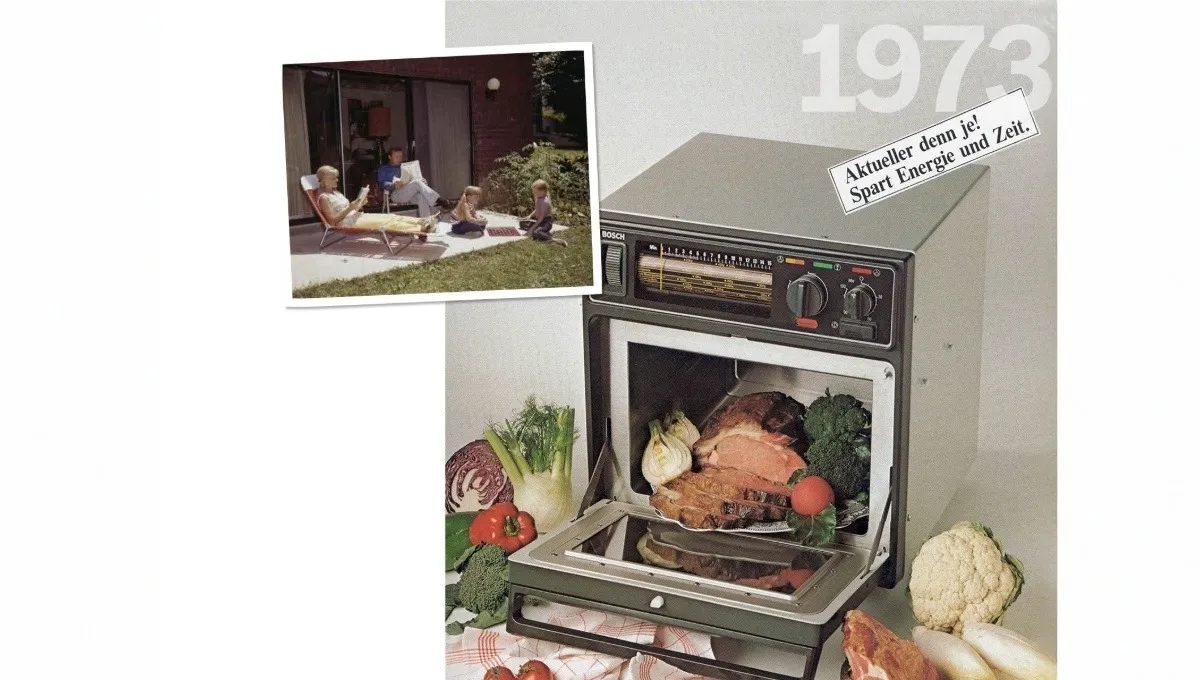
As life sped up in the 1970s, time became scarcer. Bosch answered with appliances that gave hours back: the first microwave oven for working households, alongside vacuum cleaners, electric toothbrushes and even egg boilers.
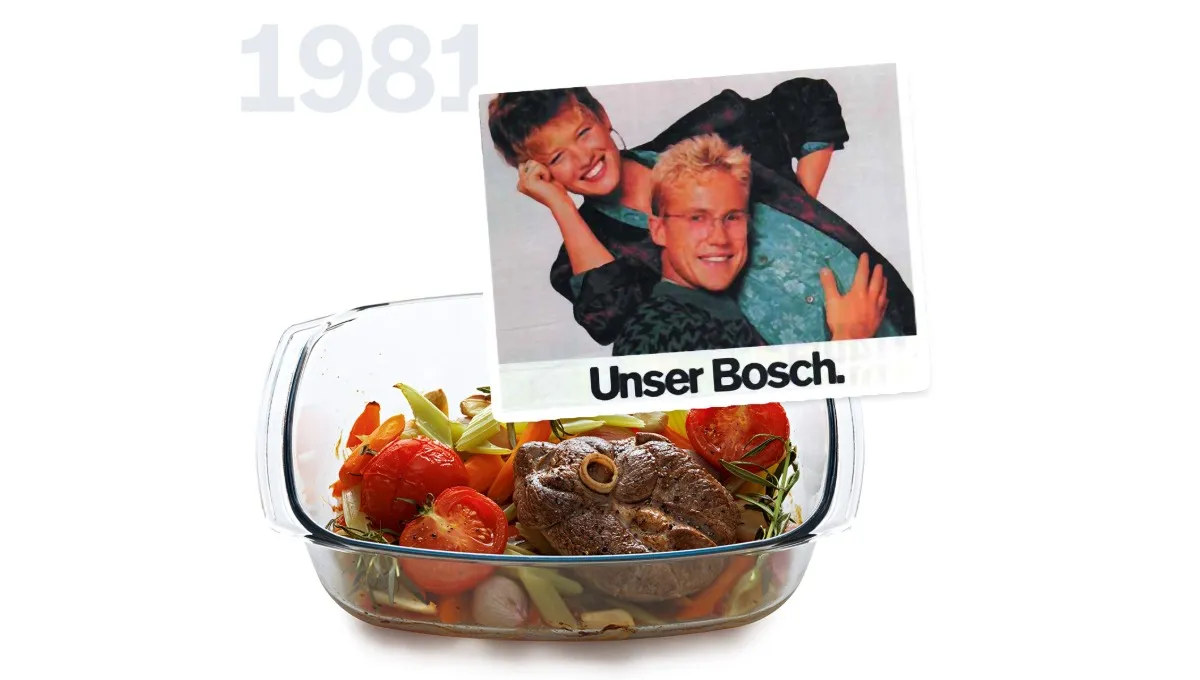
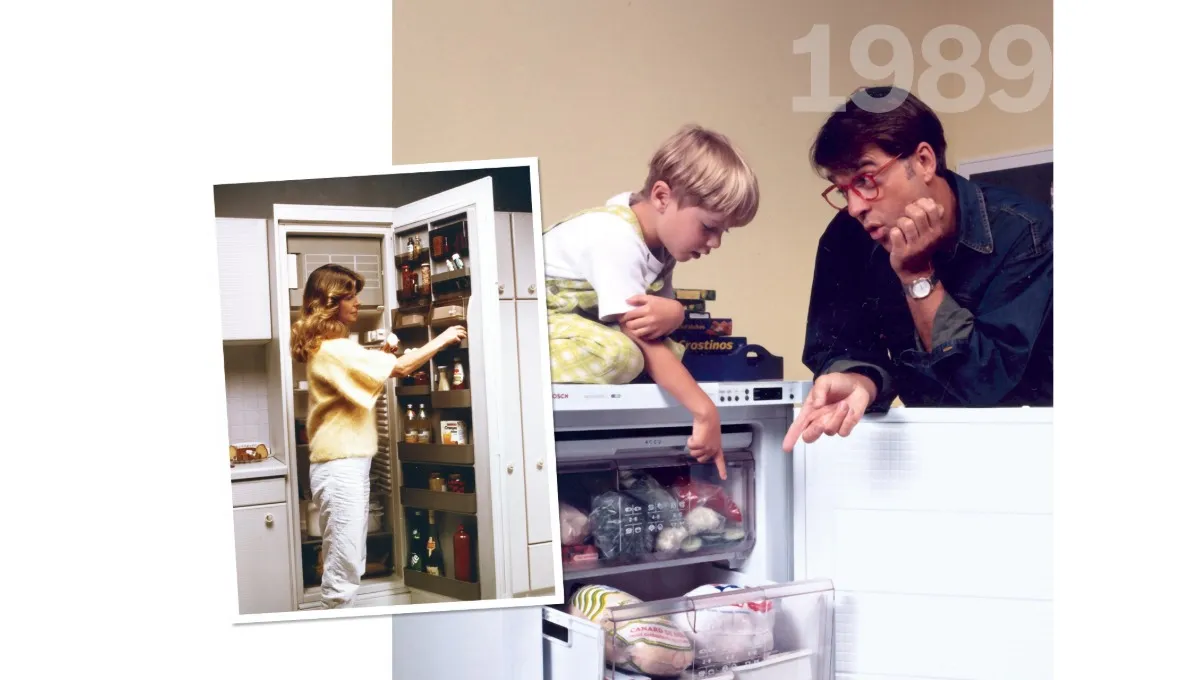
When living standards rose in the 1980s, Bosch responded with the first built-in cooker to combine microwave, multifunctional oven and self-cleaning technology in one elegant design.
Striving to protect the ozone layer
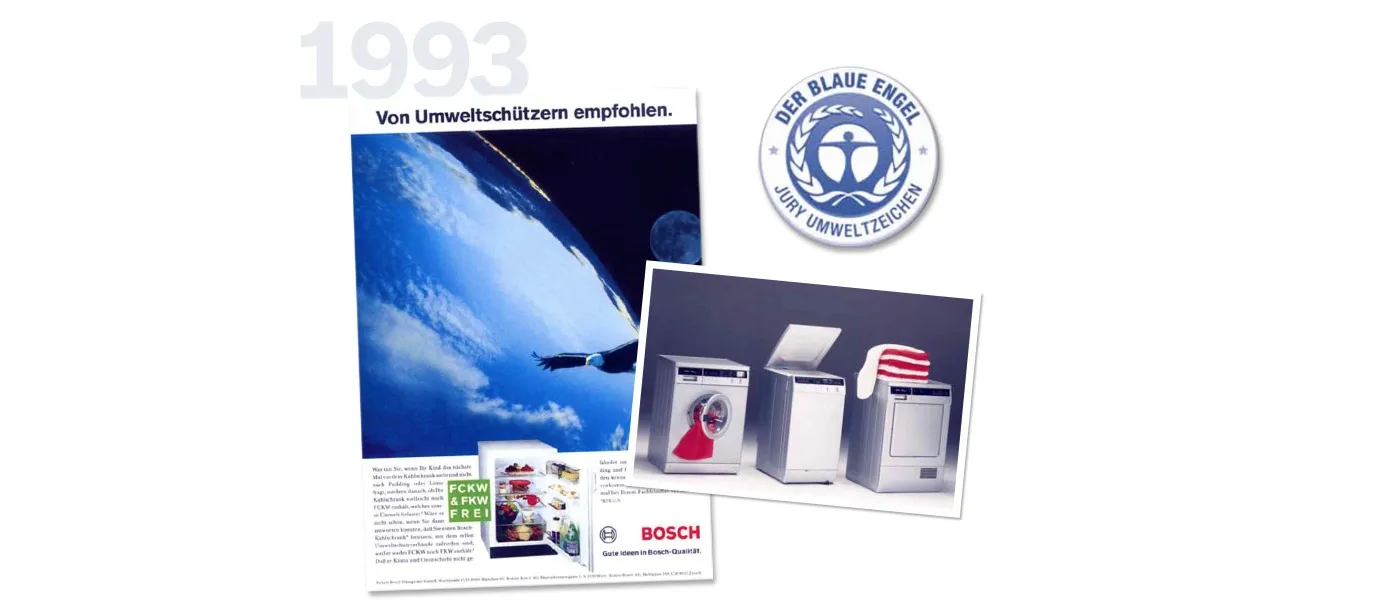
In the 1990s, awareness of environmental protection grew worldwide. Bosch responded early by converting refrigerator production in Germany, Greece and Spain away from CFCs and FCs, chemicals that were later restricted under international agreements because of their impact on the ozone layer and the atmosphere.
The digital transition
Innovation driving the everyday
Robert Bosch never settled for anything but the best. He believed progress meant moving past the old to try something better, and that same ambition still drives our engineers today.
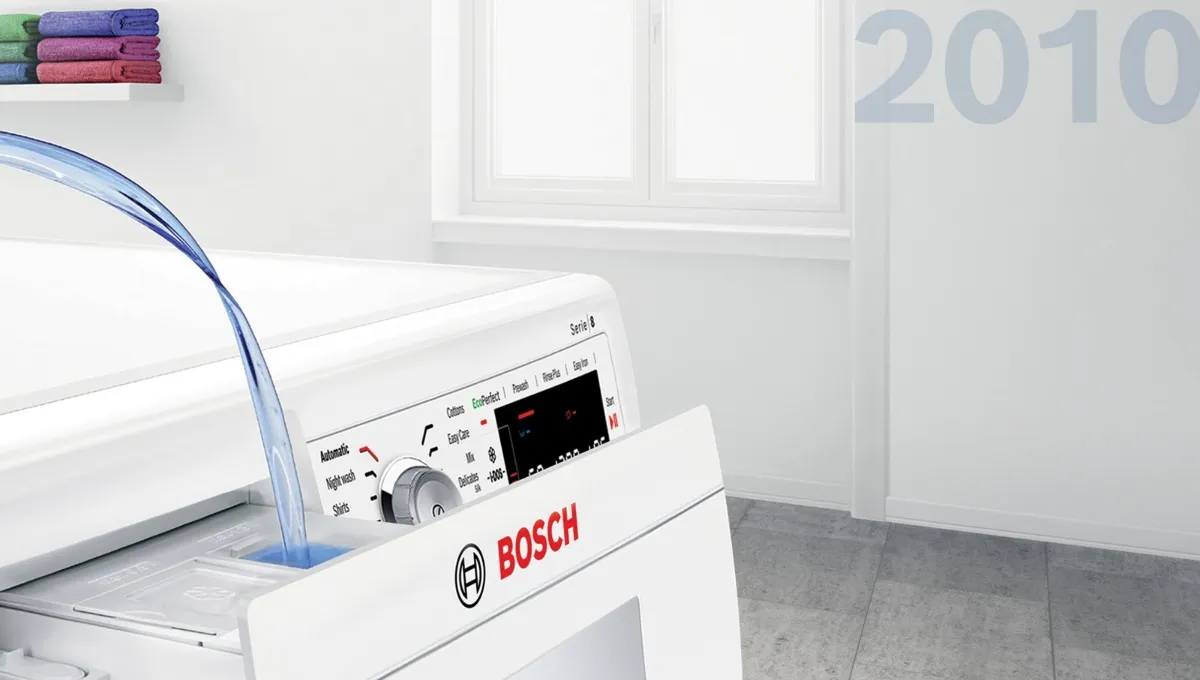
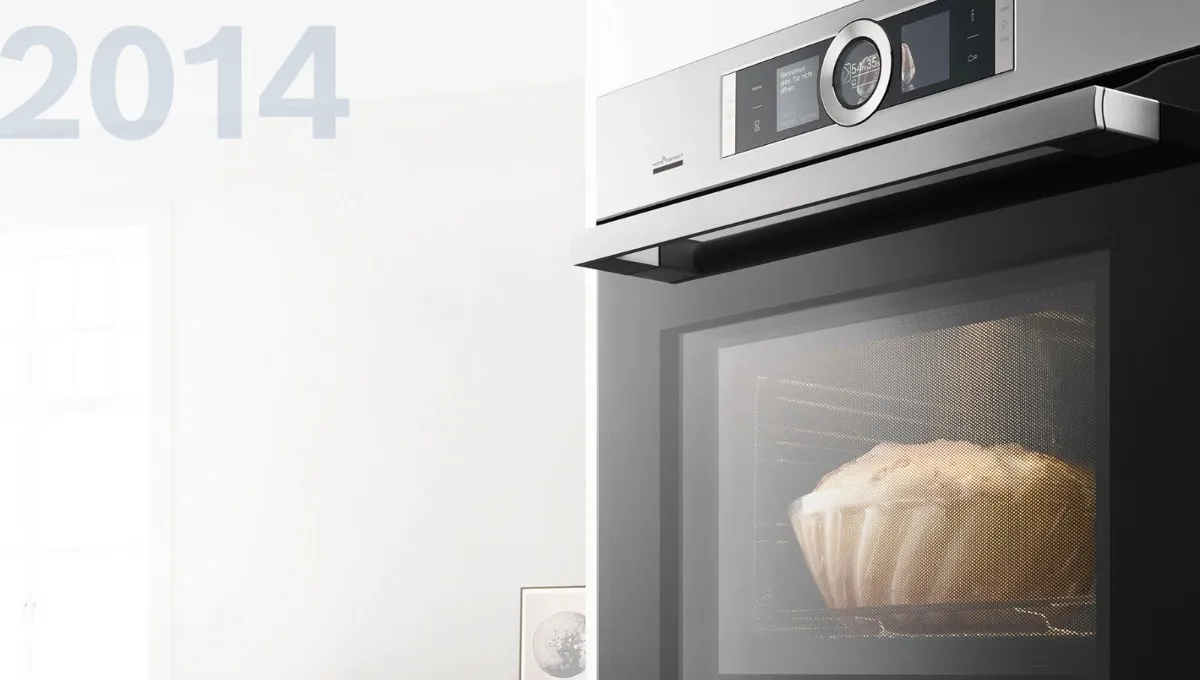
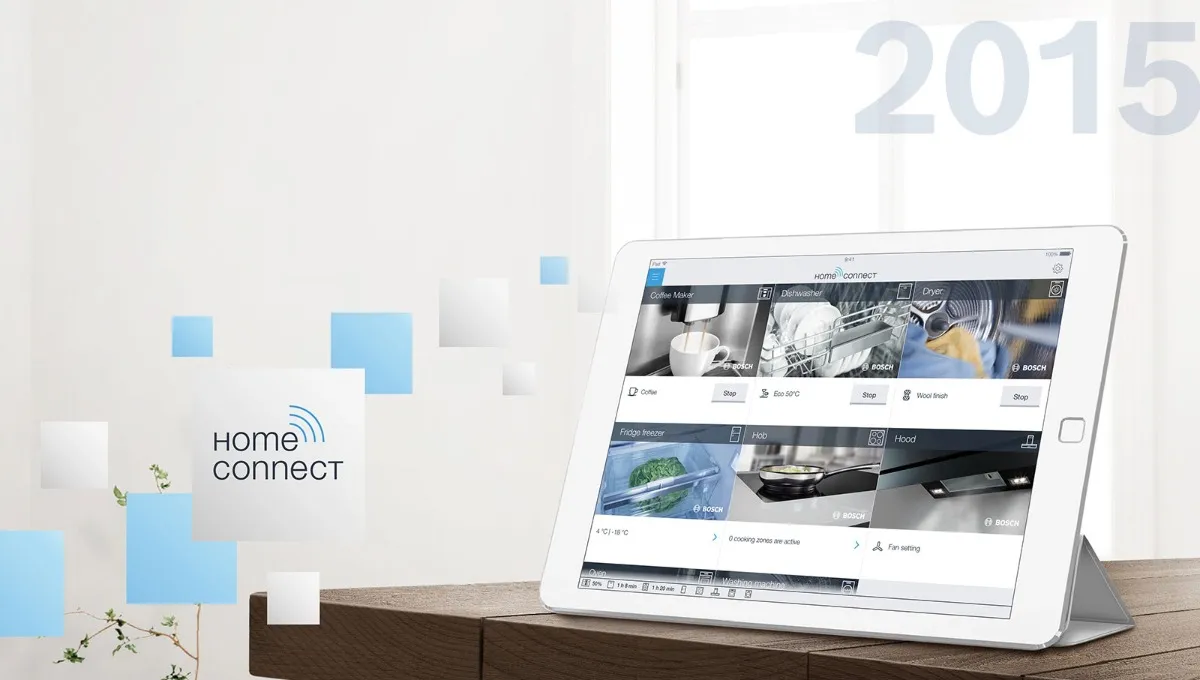
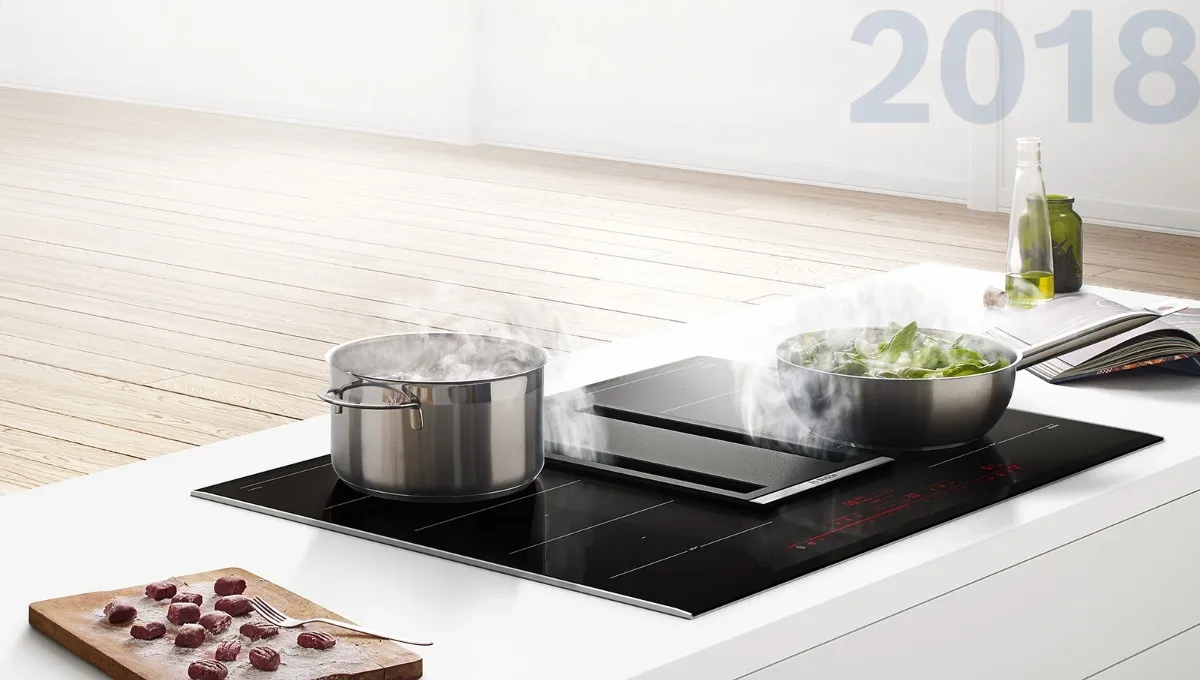
In the 2000s, home appliances became 'smart'. Washing machines and dishwashers learned to sense exactly how much water each load needed, and ovens got sensors to automatically adjust temperature and cooking time for the perfect results.
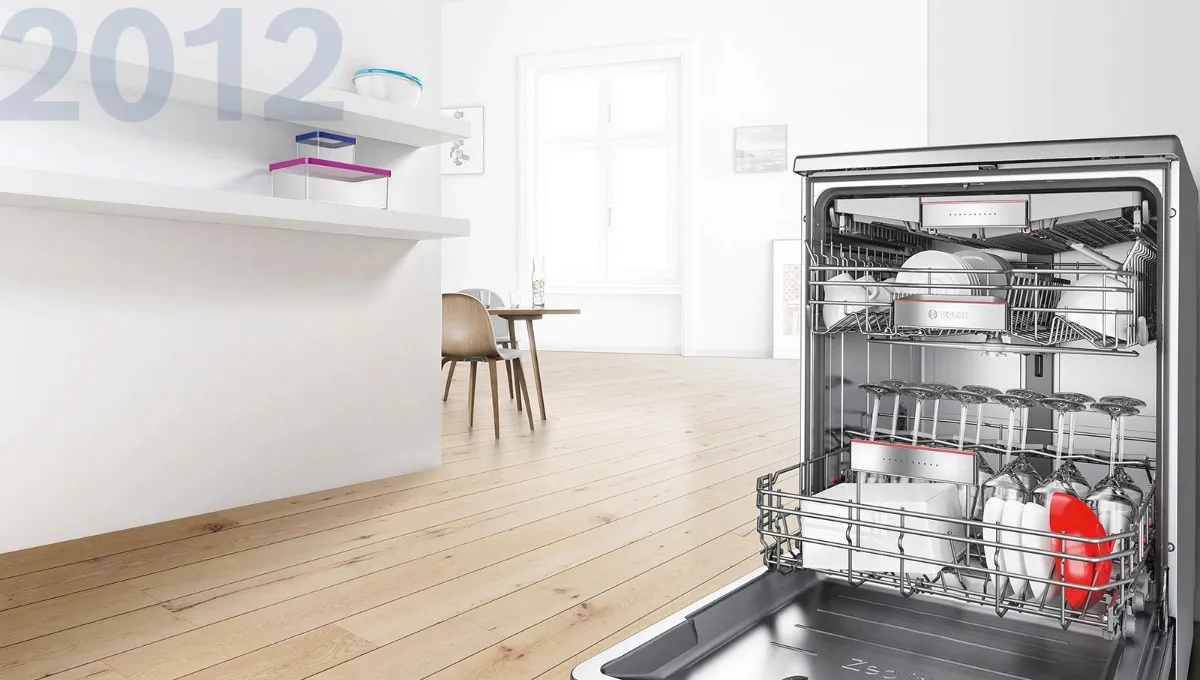
Bosch achieved a new record in innovation in 2012. With nearly 90 thousand active patents and applications within the Group, we started occupying a leading position among the world's most innovative companies.
State-of-the-art production worldwide
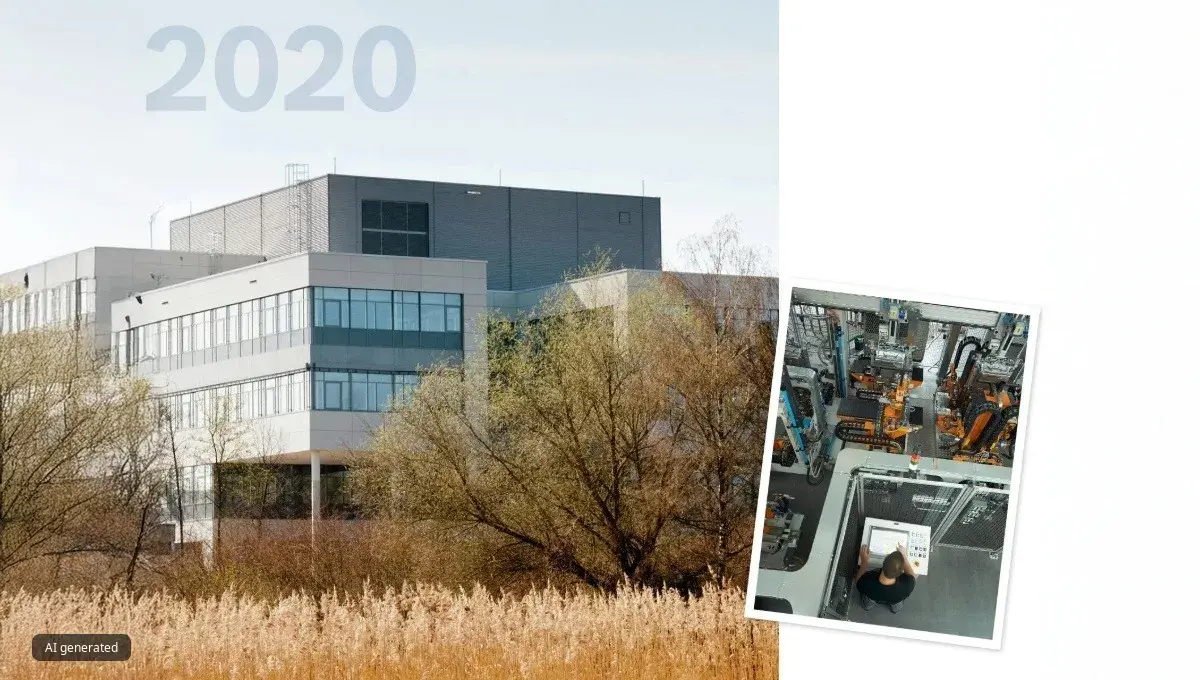
As of 2020, Bosch appliances are manufactured worldwide. This means that Bosch produces in the region, for the region. Our 37 home appliances production sites across Europe, the United States, Latin America and Asia enable the engineering of appliances close to home.
A dishwasher with a brain
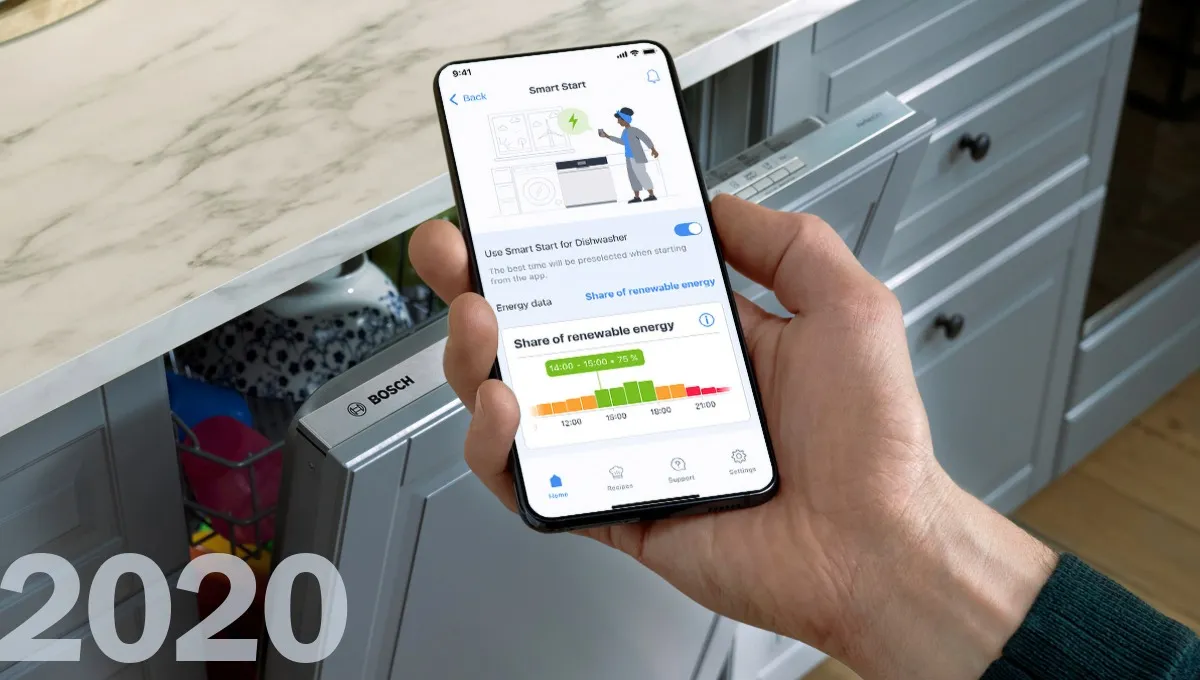
Also in 2020, Bosch launched the first fully connectable dishwasher generation. Inside sits a software brain that runs every cycle, looks after safety in the background and can be easily updated over the years. This way, your dishwasher can run reliably for many years.
A home that cleans itself
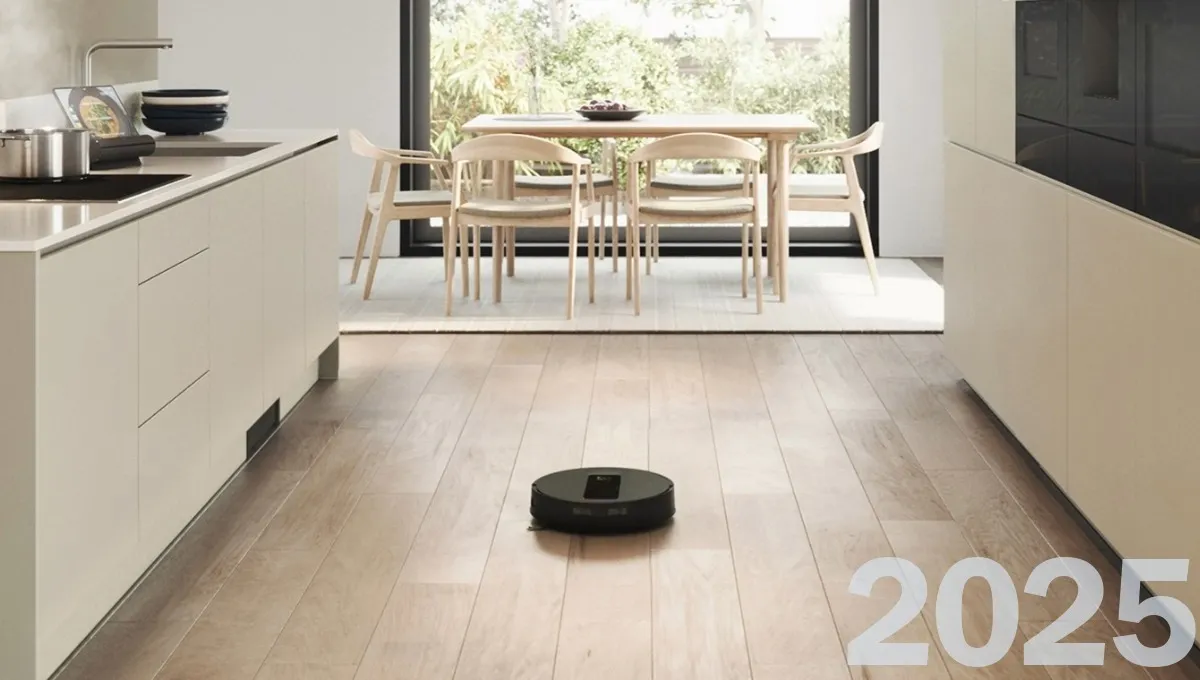
Bosch's built-in vacuum and mop robot cleans your floors automatically, leaving you with one less recurring household task. It integrates into your kitchen cabinet, emerges when needed, cleans with precision, then disappears quietly. Remarkably, it leaves your floors dry and protects your family and pets with smart sensors.
We celebrated 140 years!
In 2026, we celebrated our company's 140th anniversary worldwide.
During this period, the company evolved into one of Germany's 10 largest enterprises, operating in more than 150 countries.
One thing has stayed the same through every decade: our commitment to making consumers' lives easier through technology invented for life.
Years of following the high standards that Robert Bosch set for his company in 1886.
Worldwide manufacturing locations for Bosch appliances in 2026. The Group's production sites are located in Europe, the United States, Latin America and Asia.
Design awards, including recognition from iF Design, Red Dot and the German Design Award.
Owned by the Robert Bosch Stiftung. Every Bosch appliance funds work in health, education and research.
A company owned by its purpose
Robert Bosch left much more than a company behind. In his will, he formulated the dual mandate of securing the continued existence of the Bosch company and continuing his social commitment – a legacy that lives on through the Robert Bosch Stiftung, founded to fulfil this mission.
Today, the Robert Bosch Stiftung holds around 94 percent of the company's shares and is financed by its dividends. The voting rights are held by Robert Bosch Industrietreuhand KG. The structure guarantees the clear separation between the non-profit mission of the Robert Bosch Stiftung and the company’s for profit business. Since 1964, the foundation has invested around 2.7 billion euros in charitable work.