
Quick start guides to your Induction Hob
Let’s hop to it with your hob.
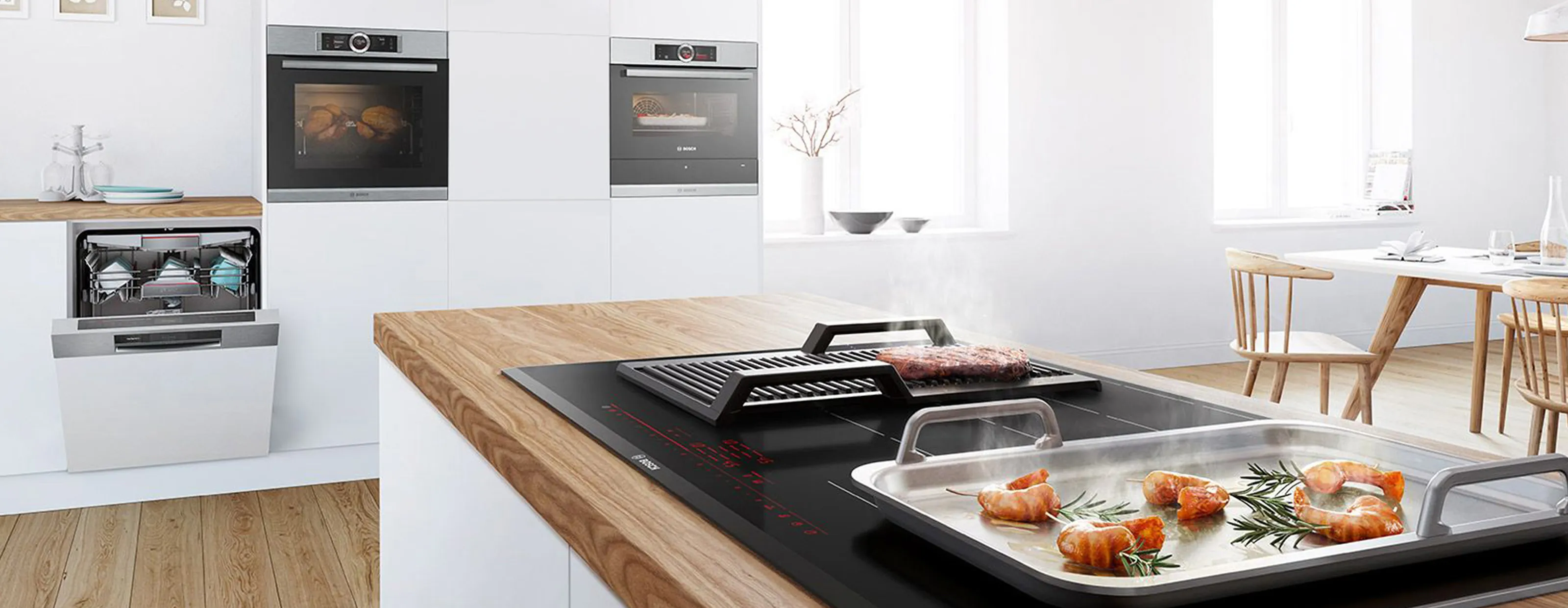
Now that you’ve installed your shiny new hob, you probably can’t wait to turn up the heat. To get you off to a successful start, we’ve put together a host of tips and tricks to ensure every dish is delish.
Goodbye conduction, hello induction.
Because your new induction hob creates heat in a completely different way to a conventional electric one, you’ll do a lot less sweating over your cooking. Instead of conducting radiant energy from a hotplate to your pot or pan, it generates a magnetic current that heats up the base of your cookware directly. As a result, cooking is faster and more efficient with less waste heat to make your living space uncomfortably warm on a hot day. Follow our pointers on cooking with induction and you’ll never look back.
In proportion to your portions.
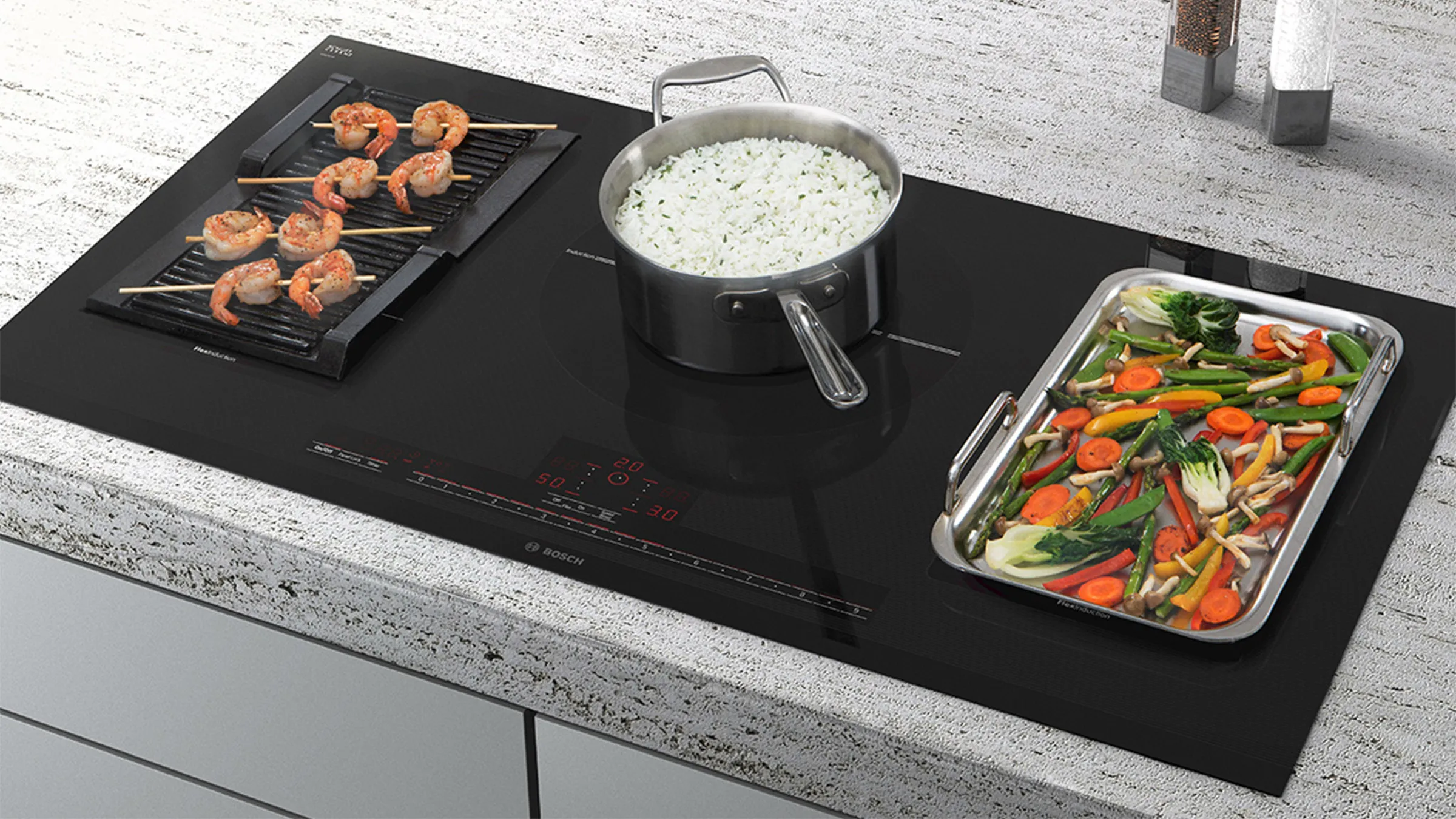
Whether you want more or less, your induction hob is ready to impress. That starts with the rapid response to adjusting temperature and includes PowerBoost, a step-up in wattage to boil water and heat ingredients almost 35% faster than the maximum power setting.
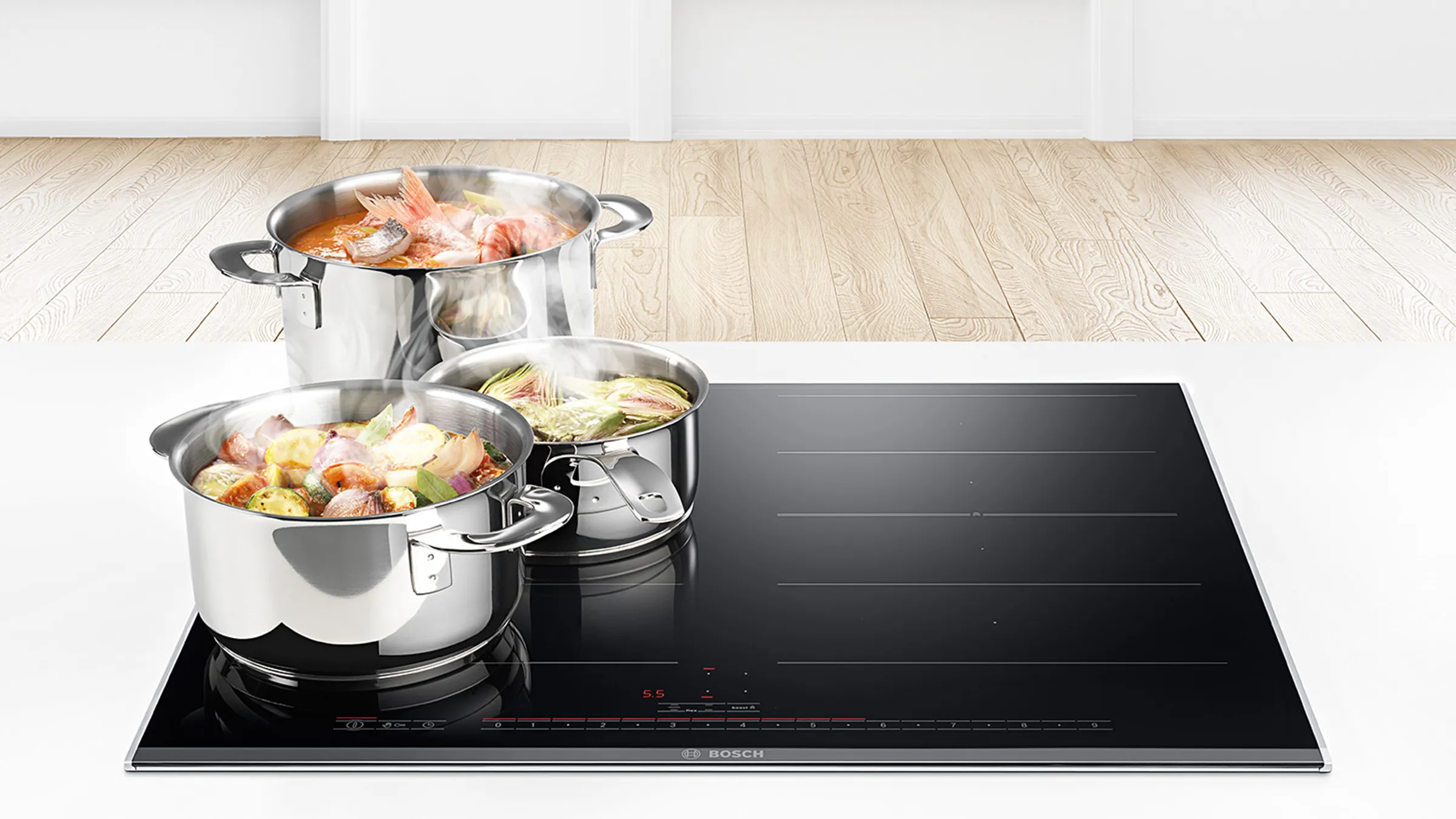
You can also easily scale things up and down when it comes to the size of your cookware. FlexInduction® lets you choose whether you want two separate smaller cooking zones or one larger combined one. Best of all, your hob automatically detects the size and position of cookware that’s in the zone so you can be sure to make a pot of espresso or warm a large roasting tray equally efficiently
A gourmet magnet.
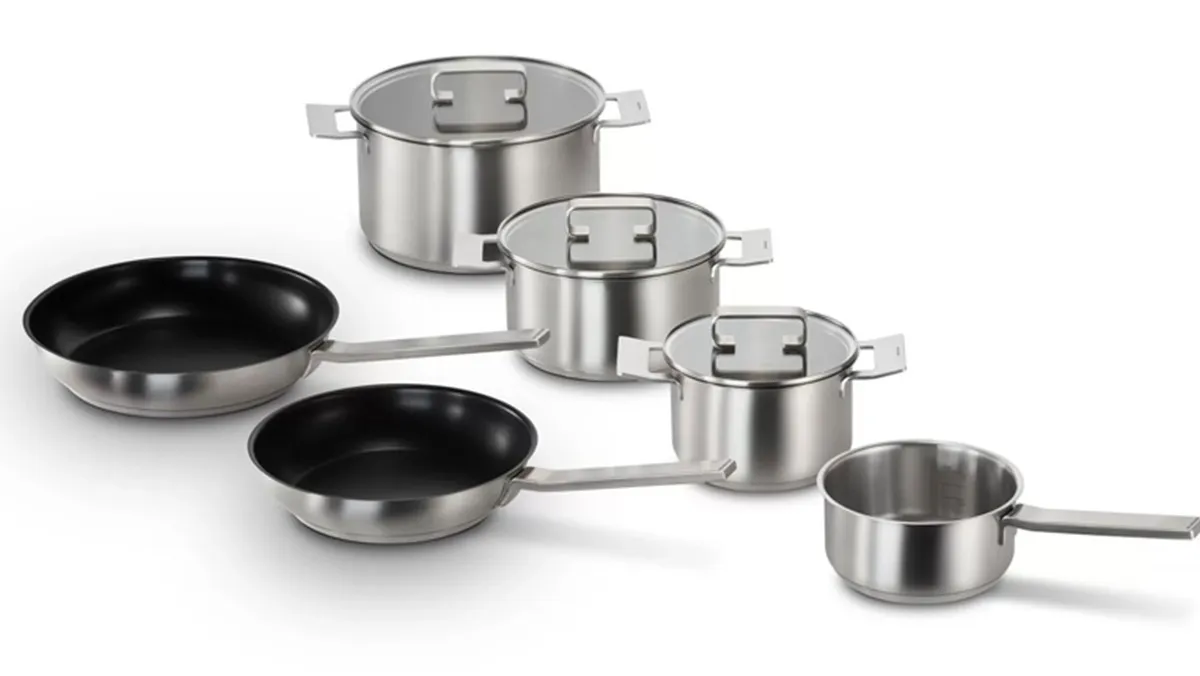
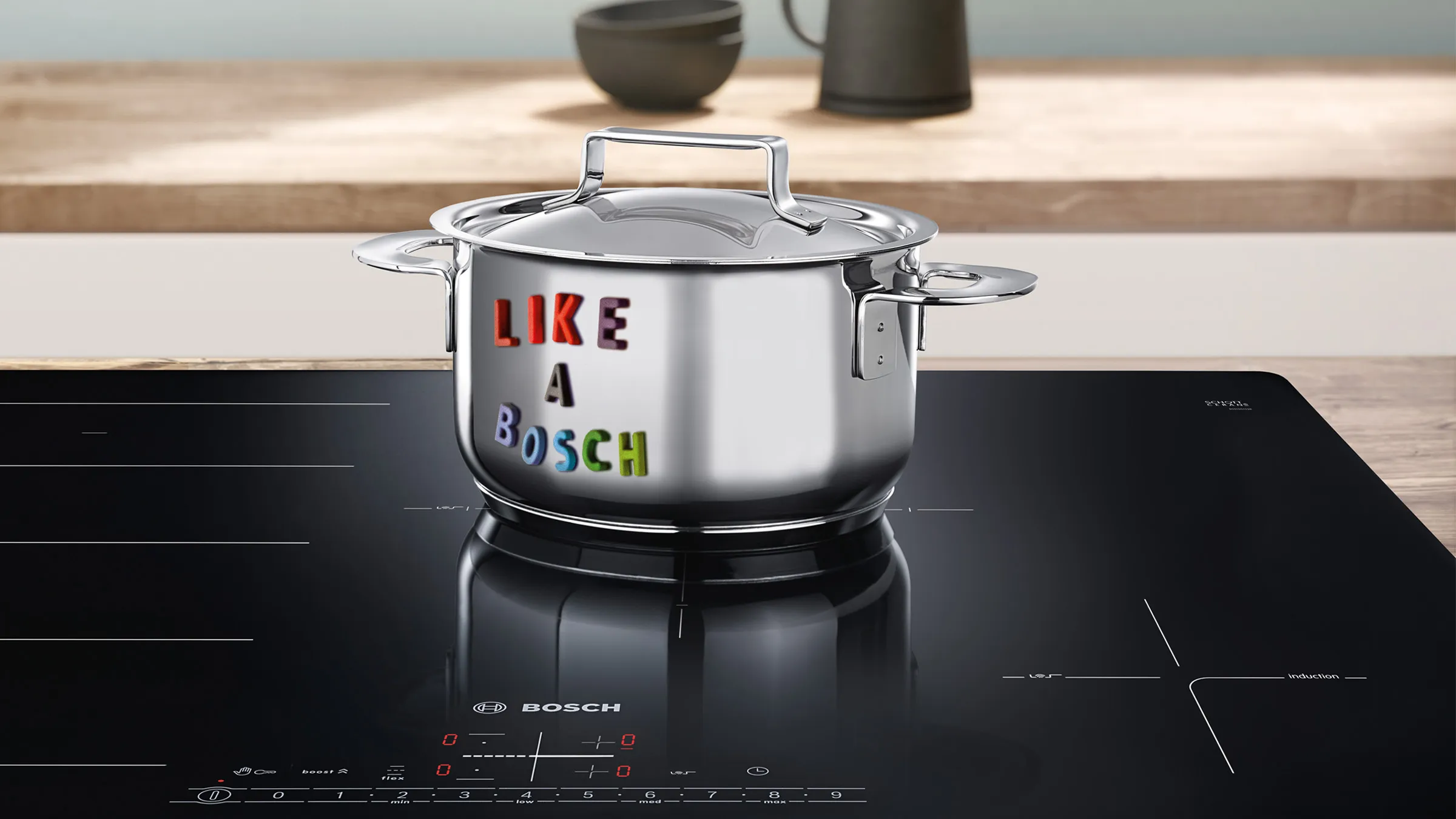
If you can’t magnetise your cookware, you can’t cook with induction. For this reason, it’s essential that your pots and pans are made of ferrous metals. Copper and aluminum won’t heat up unless extra layers are added onto the base. The easiest way to check if an item is made of the right stuff, is to look for the spiral symbol that indicates its suitable for induction. A fridge magnet is the next best thing. If it sticks but comes off quite easily, your pan will still work but won’t be as effective as something with a stronger magnetic pull.
It's also important that your cookware’s base matches the size of your cooking zone. If your hob won’t detect a pan, try it on an area with a smaller diameter.
Set for success.
Cooking times and temperatures depend on the type and quantity of food you’re preparing. To make things simple for you, we’ve put together this guideline so you can see at a glance how to get the best results for your dish. Of course, if you have the PerfectFry sensor, it's even easier to ensure you never burn or overcook anything. Check your manual to learn more.